
Alcohol and Dopamine: How They Interact The Mindful Drinking Blog by Sunnyside
Data da publicação: 29 de setembro de 2022 Categoria: Sem categoriaIt is also why drugs that flood the brain’s dopamine levels can be so addictive that someone will continue to drink alcohol regardless of the consequences. Alcohol does alcohol release dopamine increases dopamine levels while removing the brain’s built-in brake system that limits dopamine receptivity. Dopamine is a critical part of the brain that helps control movement, pleasure, attention, mood, and motivation. It is one of the most ancient neurotransmitters as it is found in lizard brains, too. Too much dopamine can lead to euphoria, aggression, and intense sexual feelings. You can promote healthy changes in the brains and behaviors of patients with AUD by encouraging them to take a long-term, science-based approach to getting better.
- Yes, genetic variations can influence how sensitive a person’s dopamine receptors or transporters are to alcohol.
- Alcohol increases adenosine levels, which makes you feel drowsy and sedated while drinking.
- Two neurotransmitters — gamma-aminobutyric acid (GABA) and glutamate — play essential roles in this process.
- Whether through moderation, alternative activities, or professional intervention, addressing alcohol’s impact on dopamine is essential for maintaining a healthy relationship with both the substance and one’s own well-being.
Get the latest in health news delivered to your inbox!
That’s what’s suggested by a new study of how caffeine interacts with the production of the feel-good chemical dopamine. Addressing a hyperactive dopamine response to alcohol requires a multifaceted approach, combining behavioral therapy and medications https://ecosoberhouse.com/ to normalize dopamine levels, reduce cravings and manage underlying triggers. The developing adolescent brain is particularly vulnerable to alcohol-related harm. Alcohol is a powerful reinforcer in adolescents because the brain’s reward system is fully developed while the executive function system is not, and because there is a powerful social aspect to adolescent drinking.
Neuroscience: The Brain in Addiction and Recovery

At times, these symptoms and signs cluster, last for weeks, and mimic frank psychiatric disorders (i.e., are alcohol–induced syndromes). Over time, excessive alcohol consumption can damage both the brain and liver, causing lasting damage. Excessive alcohol consumption can have long-lasting effects on neurotransmitters in the brain, decreasing their effectiveness or even mimicking them. This explains why chronic alcohol use can lead to withdrawal symptoms like anxiety, restlessness, and even seizures when alcohol is suddenly removed. The brain is flooded with too much glutamate and not enough GABA to balance things out.
Brain Recovery After Alcohol Addiction
Advancements in neuroimaging and molecular biology techniques have greatly enhanced our understanding of alcohol’s effects on the brain. A number of different motives for drinking alcohol have been examined, including drinking to enhance sociability, to increase power, to escape problems, to get drunk, for enjoyment, or for ritualistic reasons. Despite this diversity, most research has focused on two broad categories of motivation. Alcohol interferes with the brain’s communication pathways and can affect the way the brain looks and works. For Twelve-step program those with WKS, thiamine and vitamin supplements can improve brain function. Early diagnosis of alcohol-related dementia, hepatic encephalopathy, and FAS can halt alcohol-related brain damage and lifestyle changes may even reverse deterioration.
Glutamate Suppression: Alcohol reduces glutamate function, slowing brain activity and impairing memory and cognition
The paper “Synchrony between midbrain gene transcription and dopamine terminal regulation is modulated by chronic alcohol drinking” was published in Nature Communications in February 2025. Cody Siciliano, assistant professor of pharmacology and faculty affiliate of the Vanderbilt Center for Addiction Research, studies the neural mechanisms of individual differences in decision-making. He details a recently published study that used new approaches to reveal promising targets that can ultimately reduce relapse risk in alcohol use disorder patients. Even with alcohol’s effect on dopamine production, you don’t have to continue drinking.
The Impact of Chronic Alcohol Use on Dopamine Production and Regulation
Opioid peptide antagonists act primarily on a brain area where dopaminergic neurons that extend to the NAc originate. These observations indicate that alcohol stimulates the activity of endogenous opioid peptides, leading indirectly to the activation of dopaminergic neurons. Opioid peptide antagonists would interfere with this process, thereby reducing dopamine release. One of dopamine’s most notable jobs is to help us feel pleasure as part of our brain’s reward and reinforcement system. From an evolutionary standpoint, this reward system encouraged us to seek behavior that promoted our survival, such as eating, drinking and reproducing.

Alcohol, meanwhile, boosts the effects of GABA to induce relaxation and drowsiness while at the same time blocking glutamate receptors to further slow down brain function. Yes, with the right treatment, including medications, nutrition, and behavioral therapies, it is possible to restore dopamine balance in the brain over time. An April 2013 study found a drug called Nalmefene to be a potential new treatment option for alcohol abuse. Researchers in Germany found Nalmefene to be an effective and safe tool for reducing alcohol consumption in alcohol-dependent individuals. A study released on August 2, 2013 found that those who are energized by alcohol have a hyperactive dopamine response to alcohol and are genetically predisposed to drink more heavily.
D2 receptors bind with inhibitory G protein and thus reduce the production of AC and resulting cAMP. This work suggests that assessment of transcript-function relationships is critical for the rational design of precision therapeutics across diseases. Regarding alcohol use disorder specifically, we highlight the dopamine transporter and kappa opioid receptor as promising targets. We are passionate about sharing the process involved in living a drug and alcohol-free life. We offer free aftercare for the men who complete our program and have a strong alumni network that remains active in the community. We also offer other amenities such as dietician-prepared meals, mindfulness-based meditation training, outings, and fitness training.
Why do I feel good when I drink?
- Alcohol reduces amygdala activity, dampening anxiety and enhancing the rewarding experience of drinking.
- This section explores the lasting impact of alcohol addiction on the brain’s dopamine system.
- Alcohol use disorder (AUD) often coexists with mental health disorders such as anxiety, depression, and bipolar disorder.
- The initial euphoric effects of alcohol are a result of dopamine being released from the reward center in the brain.
Rodents given alcohol show increased dopamine release in reward centers similar to humans. Experiments using microdialysis allow precise measurement of extracellular dopamine levels during alcohol exposure. The idea has since taken over the internet, but due to confusing or inaccuate information, we could end up using the practice in an incorrect, extreme, or even harmful way (don’t worry, we’ll get into how to do it properly in a bit). We may end up searching “how to lower dopamine” but in actuality, dopamine is a naturally occurring chemical in our body and essential for normal functions. Instead, a dopamine detox removes stimuli that constantly release dopamine and thus promote unhealthy behaviors.
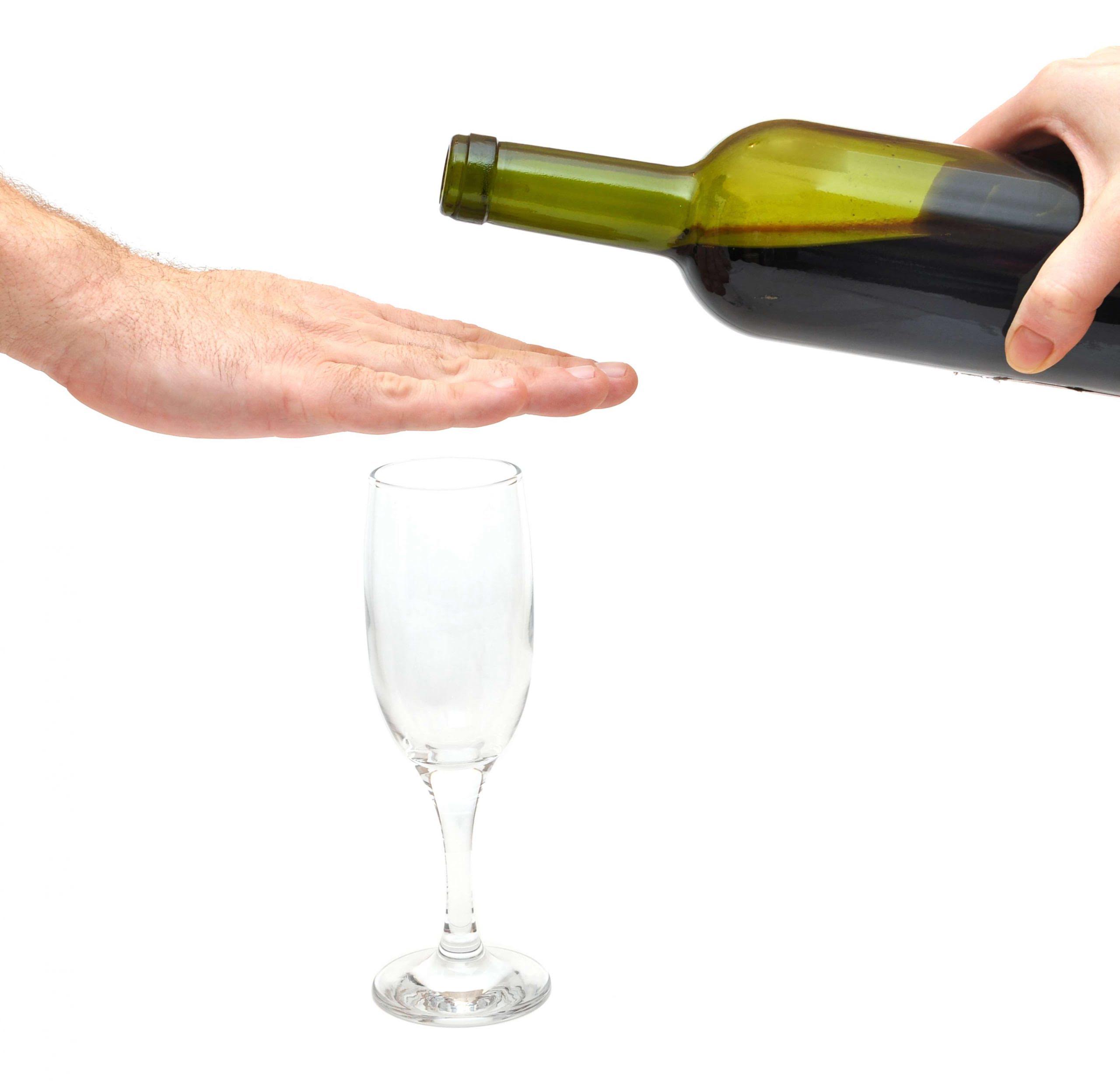
This effect is temporary, leading to repeated use as people seek to recreate the dopamine high. Managing dopamine deficiency during alcohol withdrawal is critical for successful recovery. Medications such as naltrexone or acamprosate can help alleviate withdrawal symptoms by stabilizing dopamine levels in the brain. Therapy and support groups also provide essential psychological support during this time. Dopamine deficiency plays a significant role in the symptoms of alcohol withdrawal, such as anxiety, irritability, and depression.
Dopamine is a key neurotransmitter that plays a vital role in regulating pleasure, motivation, and reward. When you drink alcohol, it sets off a cascade of changes in the brain’s chemistry, creating both immediate sensations of euphoria and longer-lasting shifts that can lead to serious health consequences. In this article, we explore how alcohol affects dopamine, the impact on mental health and behavior, and why understanding these processes is essential for effective treatment and recovery. In conclusion, alcohol’s interaction with serotonin exemplifies the double-edged nature of its effects on neurotransmitters. While the initial elevation in serotonin may provide a temporary mood boost, the long-term consequences of chronic use are profoundly detrimental. By recognizing this pattern and adopting healthier coping mechanisms, individuals can protect their neurochemical balance and overall mental health.